
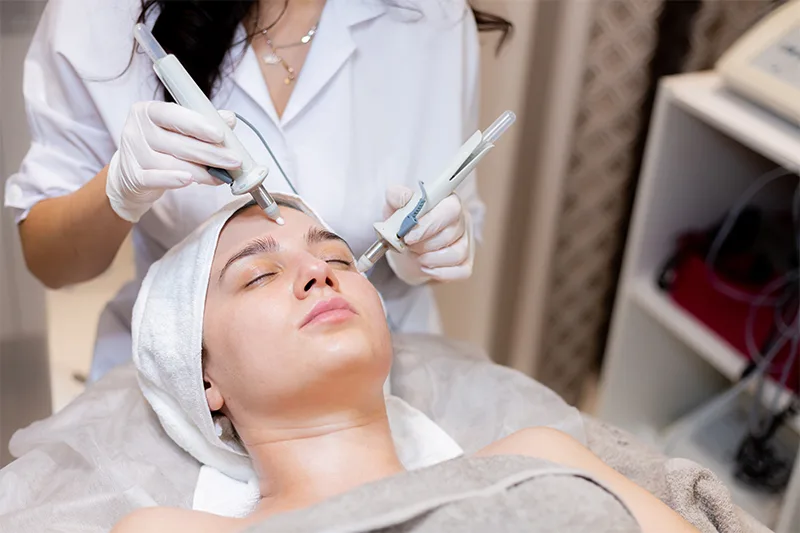
Smooth, radiant skin can make a noticeable difference to your overall appearance and skincare routine. Dermaplanning in Uxbridge is a popular non-invasive cosmetic treatment that gently exfoliates the surface of the skin while removing fine facial hair. At The Globar, treatments can be tailored to individual skin needs to help create a smoother and fresher-looking complexion.
Dermaplaning works by using a sterile, specialised blade to carefully remove dead skin cells and fine vellus hair from the surface of the face. The Globar can help clients understand what the treatment involves and whether it is appropriate for their individual skin type and concerns. When performed correctly by a trained professional, the procedure can be a simple addition to a regular skincare routine.

What Is Dermaplanning?
Dermaplanning is a cosmetic exfoliation treatment designed to remove the outermost layer of dead skin cells and fine facial hair. Unlike some more aggressive exfoliation methods, it uses a controlled blade technique across the surface of the skin.
Dermaplanning in Uxbridge can be considered by people who want their skin to feel smoother and look more refreshed. Removing accumulated surface cells may also allow skincare products to spread more evenly across the skin.
The treatment is generally performed on clean, dry skin. A professional carefully moves the blade across the skin at a controlled angle, working across different areas of the face. The procedure is usually straightforward and does not involve needles or surgical intervention.
Benefits of Dermaplaning
There are several reasons people choose dermaplaning as part of their beauty and skincare routine.
Smoother Skin
Removing surface dead skin cells can leave the skin feeling softer and smoother. This can be particularly appealing before special occasions or when preparing the skin for makeup.
Brighter-Looking Complexion
Dead skin cells can contribute to a dull-looking complexion. Exfoliation may reveal fresher-looking skin underneath, helping the face appear more radiant.
Removal of Fine Facial Hair
The treatment also removes fine vellus hair, sometimes commonly called “peach fuzz.” This can create a smoother surface and may make foundation and other makeup products apply more evenly.
Better Product Application
With dead surface cells and fine hair removed, skincare products may spread more easily across the skin. However, dermaplaning should complement rather than replace a consistent skincare routine.
Is Dermaplaning Suitable for Everyone?
Although dermaplaning is suitable for many people, it is not appropriate for every skin condition. A professional consultation can help determine whether the treatment is suitable before proceeding.
People with active acne, open wounds, skin infections, significant irritation or certain inflammatory skin conditions may need to postpone treatment. Recently sunburned or highly sensitive skin may also require additional care.
It is important to tell your skincare professional about current skin concerns and products being used. This can help them assess whether dermaplaning is appropriate and whether any preparation is recommended.
What to Expect During a Treatment
Before treatment begins, the skin should be cleansed to remove makeup, oils and other surface products. The professional then uses a sterile blade and carefully works across the face using controlled movements.
Most people describe the sensation as gentle scraping rather than painful. Because dermaplaning does not involve injections or deeper skin penetration, there is generally little disruption to everyday activities.
After treatment, the skin may appear slightly pink or feel more sensitive for a short period. Following appropriate aftercare advice can help protect the freshly exfoliated skin.
Dermaplaning Aftercare
After dermaplaning, the skin may be more sensitive to environmental factors. Using a gentle cleanser and moisturiser can help maintain comfort and hydration.
Sun protection is particularly important because exfoliated skin should be protected from ultraviolet exposure. Applying a broad-spectrum sunscreen during the day is an important part of post-treatment skincare.
Clients may also be advised to avoid harsh exfoliating products immediately after treatment. Strong acids, retinoids and abrasive scrubs can potentially irritate freshly exfoliated skin, so professional aftercare guidance should be followed.
How Often Can Dermaplaning Be Done?
The ideal treatment frequency varies between individuals. Skin type, sensitivity, skincare routine and treatment goals can all influence how often someone chooses to have the procedure.
Dermaplaning should not be performed excessively. Allowing the skin sufficient time between treatments can help maintain a balanced skincare routine while avoiding unnecessary irritation.
A professional can discuss an appropriate treatment schedule based on the individual’s skin and beauty goals.
Does Dermaplaning Make Hair Grow Back Thicker?
A common concern is that removing facial hair will cause it to grow back thicker or darker. Dermaplaning cuts hair at the surface rather than changing the hair follicle. Therefore, it does not alter the biological growth pattern of the hair.
As the hair grows back, it may initially feel slightly different because of the way the hair was cut, but this does not mean that the treatment has caused the hair to become naturally thicker.
Dermaplaning Before an Event
Many people consider exfoliating treatments before weddings, parties, photographs or other special occasions because smoother skin can help makeup sit more evenly.
However, trying a new treatment immediately before an important event may not be advisable, particularly for people with sensitive skin. Allowing enough time to see how the skin responds can be a sensible approach.
Professional advice can help determine appropriate timing based on the individual’s skin and the intended occasion.

Frequently Asked Questions
Is dermaplaning painful?
Most people experience little or no significant discomfort. The sensation is generally described as a light scraping across the skin.
Can dermaplaning be used on sensitive skin?
It may be suitable for some people with sensitive skin, but individual assessment is important. Active irritation or certain skin conditions may make the treatment unsuitable.
Will dermaplaning remove facial hair permanently?
No. Dermaplaning removes hair at the surface of the skin and does not permanently remove the hair follicle.
Can I wear makeup after dermaplaning?
This depends on individual aftercare advice and skin sensitivity. A professional may recommend allowing the skin time to settle before applying makeup.
Is sunscreen necessary after treatment?
Sun protection is an important part of skincare after exfoliation. A broad-spectrum sunscreen can help protect the skin from ultraviolet exposure.
Conclusion
Dermaplaning can be a convenient way to exfoliate the skin while removing fine facial hair, helping create a smoother and brighter-looking complexion. With appropriate professional assessment, careful treatment and suitable aftercare, it can complement an individual’s wider skincare routine. Anyone considering the procedure should discuss their skin type, concerns and expectations with a qualified skincare professional before treatment.
Contact
Phone: 01895-692146
Email: info@theglobar.co.uk
Address: 23, High Street, Ruislip, United Kingdom HA4-7AU.