

Polynucleotides in Ruislip vs Skin Boosters: How Are They Different?
Polynucleotides work by directly activating fibroblasts, the cells that produce your skin's own collagen and elastin, rather than simply supplying hydration like a skin booster. That regenerative action is what sets this treatment apart: it aims to improve the underlying health and repair capacity of the skin itself, not just its surface hydration.
Activates Fibroblasts Directly
DNA-derived fractions are placed into the mid-dermis, where they stimulate fibroblast activity, the cells responsible for producing new collagen and elastin.
Supports Repair, Not Just Volume
Rather than adding structure like a filler, polynucleotides support the skin's own healing and renewal processes, which is why results build gradually and look like healthier skin, not added fullness.
Calms as Well as Repairs
Alongside collagen stimulation, polynucleotides have a soothing effect on inflamed or reactive skin, making them useful for sensitive or compromised skin as well as ageing concerns.
Your Polynucleotide Session in Ruislip, Step by Step
Consultation
We review your skin's condition, medical history and goals to confirm polynucleotides are the right fit, whether for regeneration, hydration or scar support.
Numb & Cleanse
Topical numbing cream is applied where needed and the treatment area is thoroughly cleansed before injections begin.
Micro-Injections
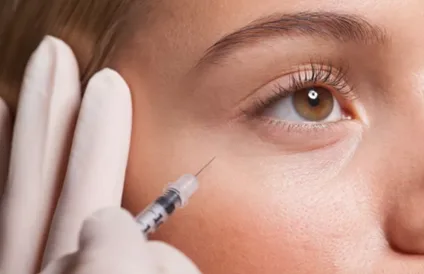
The polynucleotide solution is delivered into the mid-dermis via a series of fine injections across the treatment area.
Aftercare & Planning
You're given aftercare guidance for the first 48 hours and your next session is scheduled as part of your initial course.
Who Sees the Best Results From Polynucleotides Near Ruislip
You're a strong candidate if
- Your skin looks tired, thin or lacking in resilience rather than just dehydrated
- You want a regenerative approach rather than added volume
- You have sensitive or reactive skin that needs calming as well as repair
- You're willing to commit to an initial course for the best result
Worth discussing at consultation if
- You're pregnant or breastfeeding
- You have a known allergy to fish, as some formulations are fish-derived
- You're mainly looking to add facial volume or contour, which fillers address better
- You have an active skin infection near the treatment area
Typical initial course length, followed by a maintenance session roughly every six to nine months to sustain results.
General clinical consensus from published polynucleotide research. Course length can vary by concern treated.
A Well-Tolerated, Biocompatible Treatment
Polynucleotides have a strong clinical safety record, with published research reporting no serious adverse effects in the majority of patients. Mild swelling or bruising at the injection site is the most common side effect, and this usually clears within 48 hours.
Polynucleotides Ruislip: Frequently Asked Questions
What's the difference between polynucleotides and skin boosters?
Skin boosters use hyaluronic acid mainly for hydration. Polynucleotides use DNA-derived fractions to directly activate fibroblasts, supporting the skin's own collagen production and repair processes rather than only adding moisture.
Where do polynucleotides come from, and are they safe?
Most formulations are derived from purified DNA fractions, commonly sourced from salmon. They're biocompatible and well tolerated by most patients, though they aren't suitable for anyone with a fish allergy.
Which areas can be treated with polynucleotides?
The face, under-eye area, neck and scalp can all be treated, with the approach adjusted depending on whether the goal is regeneration, hydration or calming reactive skin.
How many sessions are needed, and how far apart?
Most clients start with a course of around three sessions, spaced two to four weeks apart, followed by a maintenance session every six to nine months.
What does downtime and recovery look like?
Downtime is minimal. Mild swelling or small bruises at the injection sites are the most common effects, and these typically resolve within 48 hours.
How soon will I notice firmer, more hydrated skin?
Some hydration improvement can appear within the first week, while the fuller regenerative benefit from new collagen production tends to build gradually across the full course of sessions.
Book Polynucleotides in Ruislip Today
Book a consultation at The Glo Bar in Ruislip and we'll talk through whether polynucleotides are the right fit for your skin.
Book A Consultation